



Gut microbiome testing reveals the composition, diversity, and functional capacity of the trillions of bacteria, fungi, and other microorganisms living in your digestive tract. Results can identify dysbiosis, low microbial diversity, pathogen overgrowth, and inflammation markers that connect to conditions far beyond digestion—including metabolic syndrome, autoimmune disease, and hormonal imbalances. In functional medicine, these findings become the foundation of a personalized gut restoration protocol.
- Gut microbiome tests measure bacterial diversity, species balance, inflammation markers, and digestive function—not just “good vs. bad” bacteria.
- Dysbiosis and low microbial diversity are linked to chronic inflammation, which functions as a root cause across multiple body systems.
- Functional medicine interprets these results in context of your full health picture, not as isolated data points.
- A gut healing protocol typically addresses diet, lifestyle, targeted supplements, and stress—in a sequenced, individualized way.
- Testing without clinical interpretation offers limited value; results mean the most when guided by a qualified practitioner.
Why Gut Microbiome Testing Matters in 2026

The gut is no longer considered just a digestive organ. According to research published by the National Institutes of Health, the human gut microbiome influences immune function, neurological signaling, metabolic regulation, and even cardiovascular health. This has shifted how forward-thinking clinicians approach chronic disease—not by targeting symptoms downstream, but by examining what’s happening in the gut first.
Many adults in their 40s, 50s, and 60s arrive frustrated. They’ve been told their labs are “normal,” yet they live with fatigue, bloating, brain fog, blood sugar instability, or joint pain that won’t resolve. For a significant portion of these individuals, a disordered microbiome is contributing to their symptoms—and a standard metabolic panel will never show it.
This is where functional medicine gut health principles add a layer of investigation that conventional workups rarely include. Comprehensive stool testing, organic acid panels, and microbiome sequencing provide granular data that helps explain why symptoms persist even when conventional markers appear unremarkable.
The gut microbiome influences immune function, neurological signaling, metabolic regulation, and cardiovascular health—making it one of the most consequential systems to assess in chronic disease prevention.
What Gut Microbiome Tests Actually Measure
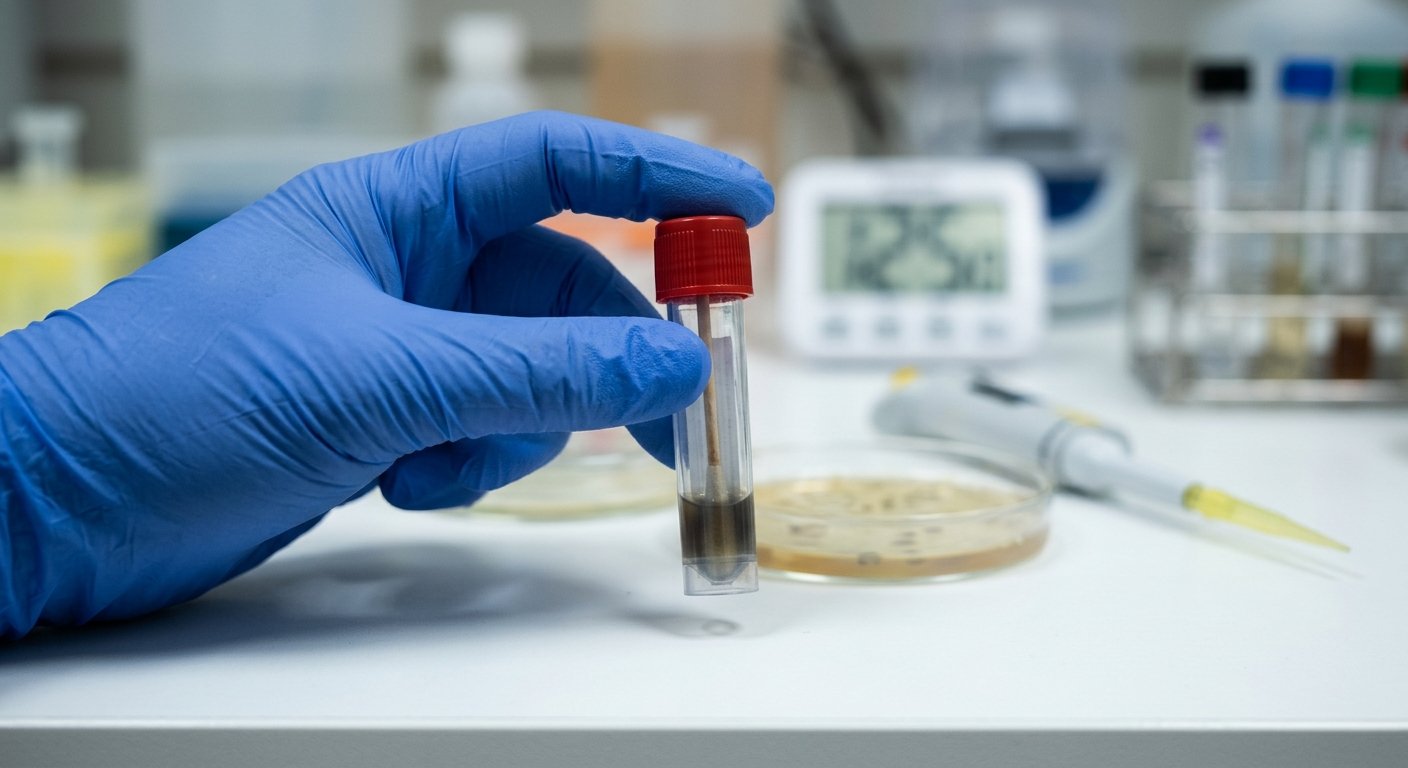
Not all tests are created equal. Most comprehensive gut microbiome tests use a stool sample analyzed via DNA sequencing (metagenomics) or culture-based methods. The most clinically informative panels typically report on several categories:
Microbial Diversity
Diversity is one of the most important markers. A healthy microbiome contains hundreds of distinct bacterial species, and the broader that variety, the more resilient and functional the gut ecosystem tends to be. Low diversity—sometimes called reduced alpha diversity—is consistently associated with inflammatory conditions, obesity, and metabolic dysfunction in the peer-reviewed literature.
Bacterial Balance and Dysbiosis
Dysbiosis refers to an imbalance in the microbial community—too much of certain bacteria, too little of others, or the presence of opportunistic pathogens. Tests will often flag overgrowth of species like Klebsiella, Citrobacter, or Candida, while also measuring whether beneficial genera like Lactobacillus, Bifidobacterium, and Akkermansia muciniphila are present in sufficient quantities.
Inflammation and Intestinal Permeability Markers
Calprotectin, zonulin, and secretory IgA (sIgA) are three commonly reported markers. Elevated calprotectin suggests intestinal inflammation. Zonulin is a protein that regulates tight junctions in the gut lining; elevated levels are associated with increased intestinal permeability—sometimes called “leaky gut”—a condition that allows partially digested food particles and bacterial fragments to enter systemic circulation and trigger immune responses. Low sIgA indicates a weakened mucosal immune defense.
Digestive Function
Pancreatic elastase and short-chain fatty acid (SCFA) production give insight into how well you’re breaking down and absorbing food. Low elastase may suggest pancreatic insufficiency; low SCFAs (butyrate in particular) indicate the microbiome isn’t producing enough of the compounds that fuel colon cells and regulate inflammation.
At Functional Medicine 411, Dr. Scott Watkins draws on 25 years of clinical experience—including his personal journey through pre-diabetes and weight gain—to interpret these markers not as isolated numbers but as a biological narrative. The test is a starting point, not a destination.
What Common Findings Actually Mean for Your Health

Understanding what a result means requires context. Here’s how functional medicine interprets several of the most common findings:
| Test Marker | Abnormal Finding | Potential Health Implications |
|---|---|---|
| Microbial Diversity | Low (reduced alpha diversity) | Greater susceptibility to dysbiosis, metabolic dysfunction, inflammation |
| Akkermansia muciniphila | Depleted | Weaker gut lining, impaired metabolic signaling, increased permeability risk |
| Calprotectin | Elevated | Active intestinal inflammation, warrants further workup |
| Zonulin | Elevated | Intestinal permeability; linked to autoimmune and allergic conditions |
| Butyrate production | Low | Reduced colonocyte fuel, impaired anti-inflammatory signaling |
| sIgA | Low | Compromised mucosal immunity, susceptibility to pathogens |
None of these findings exist in isolation. A person with low diversity, depleted Akkermansia, and elevated zonulin may be experiencing symptoms that span multiple body systems—fatigue, joint discomfort, skin reactions, mood changes, or blood sugar instability. This is why root cause medicine evaluates the full picture before recommending any intervention.
How Functional Medicine Uses Results to Build a Protocol
Once test results are interpreted, a functional medicine gut healing protocol is designed to address identified imbalances in a logical, sequenced way. The Institute for Functional Medicine uses a “5R” framework—Remove, Replace, Reinoculate, Repair, and Rebalance—as a clinical map for gut restoration.
Remove
Eliminate identified pathogens, inflammatory foods, environmental triggers, and anything feeding dysbiosis. This may include refined sugars, ultra-processed foods, specific allergens, or targeted antimicrobial support—always under practitioner guidance.
Replace
Support digestive enzyme production and stomach acid adequacy so food is properly broken down. Enzyme insufficiency is common and often overlooked in conventional workups.
Reinoculate
Reintroduce beneficial bacteria through targeted probiotics and prebiotics, aligned with what the test revealed is missing. The science of probiotics and gut health has matured considerably—strain specificity matters, and not all probiotics address the same deficiencies.
Repair
Support the integrity of the intestinal lining using nutrients like L-glutamine, zinc carnosine, and collagen peptides. For individuals with elevated zonulin, this step is particularly critical.
Rebalance
Address lifestyle factors—sleep quality, stress management, physical activity, and social connection—that profoundly influence microbial composition and maintain the gains made in previous steps.
It’s worth noting that supplement quality becomes especially important in this context. Not all probiotic products deliver what the label promises—bioavailability, strain viability, and formulation matter significantly. For a deeper look at why this matters, see our article on how professional-grade supplements differ from over-the-counter options in terms of what your body actually absorbs.
Increasing dietary fiber diversity—aiming for a wide variety of plant foods rather than a high quantity of one type—is one of the most evidence-supported strategies for improving microbial diversity naturally. Research from the journal Nature (2021) confirmed that diet is among the most modifiable drivers of microbiome composition in adults.
The Gut-Systemic Health Connection
What makes gut microbiome testing particularly valuable in a functional medicine framework is its relevance to conditions that seem entirely unrelated to digestion. Chronic gut inflammation can dysregulate immune signaling in ways that contribute to autoimmune flares. Gut-derived lipopolysaccharides (LPS)—bacterial fragments that leak through a permeable intestinal lining—are recognized contributors to systemic inflammation, which in turn affects cardiovascular health. Microbial imbalances also influence estrogen metabolism through what researchers now call the “estrobolome,” making gut health directly relevant to hormonal balance.
Understanding these connections is central to the functional medicine approach championed at Functional Medicine 411. If you’re exploring the broader evidence base for this model of care, our overview of what the science actually says about functional medicine in 2026 provides important context. And for those whose gut findings intersect with cardiovascular risk markers, our dedicated resource on cardiovascular health explores how these systems interact.
Frequently Asked Questions
How is a gut microbiome test different from a standard stool test ordered by my doctor?
Standard stool tests typically screen for specific pathogens, parasites, or blood—useful for acute illness but limited in scope. Comprehensive microbiome tests use DNA sequencing to analyze thousands of microbial species, their relative abundance, functional outputs like SCFA production, and inflammation markers. This produces a much more detailed picture of gut ecosystem health rather than simply ruling out infection.
Can gut microbiome testing tell me if I have leaky gut?
Some comprehensive panels include markers like zonulin and sIgA that suggest intestinal permeability, but no single test definitively “diagnoses” leaky gut as a clinical entity. These markers provide evidence that the gut lining may be compromised, which a qualified practitioner then evaluates alongside your symptoms and other lab findings to determine appropriate next steps.
How long does gut health restoration typically take?
The timeline varies considerably depending on the degree of dysbiosis, how long imbalances have been present, dietary adherence, stress levels, and individual biology. Functional medicine practitioners typically reassess at three to six months. Gut restoration is not a quick fix—it’s a structured process that supports the body’s own healing capacity over time.
Do I need to test before starting probiotics or gut support supplements?
Testing first is strongly preferred when possible. General probiotic use may offer broad benefits, but a microbiome test allows for strain-specific, targeted supplementation based on what your ecosystem is actually missing. Using the wrong strains or skipping the “Remove” phase can sometimes feed dysbiosis rather than correct it. Working with a practitioner before starting any gut healing protocol is always advisable.
Is gut microbiome testing covered by insurance?
Coverage varies widely. Comprehensive functional medicine stool panels are often not covered by standard insurance and are considered out-of-pocket expenses. However, some components—particularly if there’s a documented clinical indication—may be partially reimbursable. It’s worth checking with your insurance provider and discussing cost-effective testing options with your practitioner.
Starting Your Gut Health Journey
Gut microbiome testing is a powerful tool—but its real value lies in what happens after the results arrive. Data without clinical context is just numbers. Integrated with a thorough health history, symptom picture, and a practitioner skilled in root cause analysis, those numbers become a roadmap for genuine restoration.
At Functional Medicine 411, Dr. Scott Watkins combines 25 years of clinical experience with Institute for Functional Medicine principles and a personal understanding of what it means to reclaim your health through evidence-based lifestyle intervention. The philosophy here is simple: an ounce of prevention is worth a pound of cure—and understanding your gut microbiome is one of the most concrete steps you can take toward that prevention.
Ready to Understand What Your Gut Is Telling You?
Connect with Functional Medicine 411 to learn how microbiome testing and a personalized gut restoration protocol can support your long-term health goals.

About Functional Medicine 411
Functional Medicine 411 provides evidence-based preventive health education that bridges conventional medicine with functional medicine principles, led by Dr. Scott Watkins, a radiation oncologist with 25 years of clinical experience. We help adults prevent and address chronic conditions—including autoimmune disease, gut dysfunction, cardiovascular disease, metabolic syndrome, and hormonal imbalances—through root-cause analysis, lifestyle interventions, and targeted nutraceutical support. Our approach combines scientific rigor with compassionate, accessible teaching, empowering health-conscious individuals and practitioners to optimize wellness through nutrition, lifestyle medicine, and evidence-backed supplementation. Visit functionalmed411.com →