


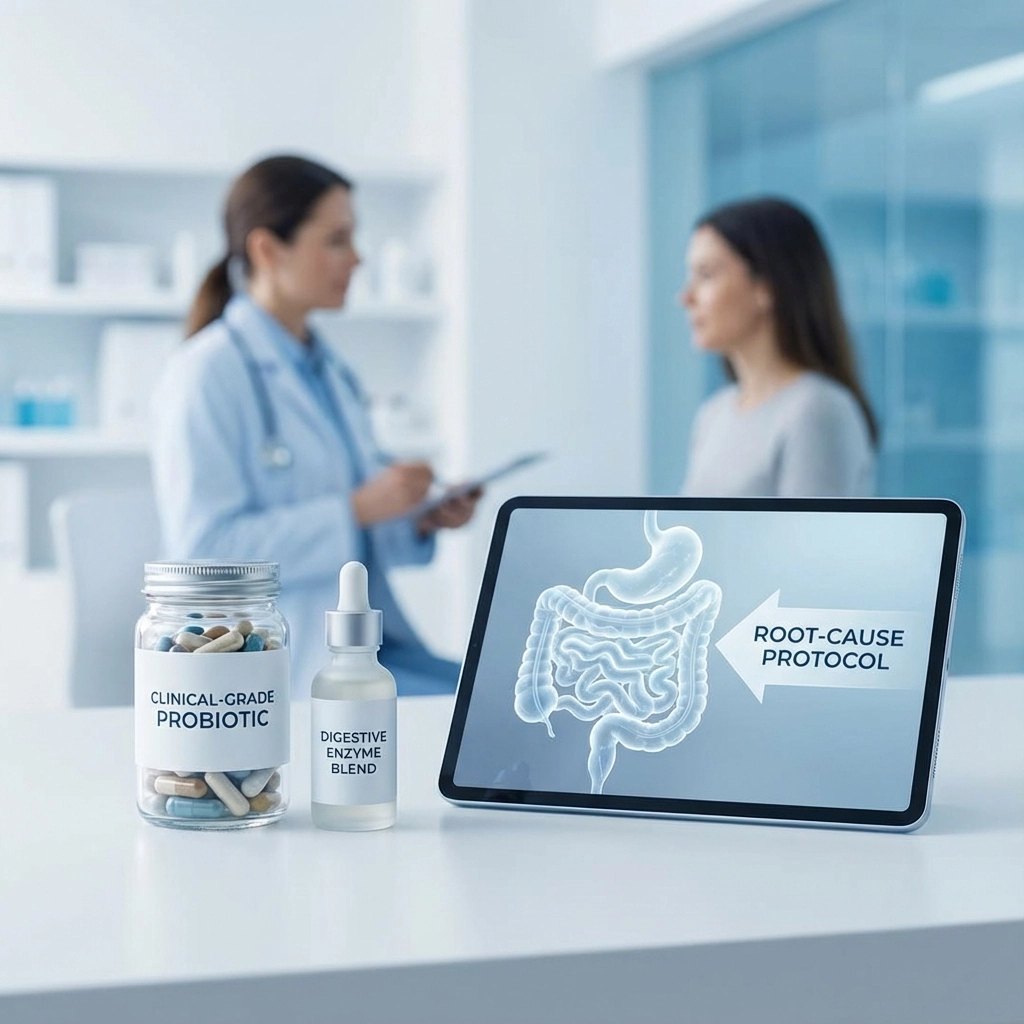
If you're tired of taking endless probiotics with minimal results, you're not alone. If you're frustrated by digestive issues that keep returning despite following every "gut health tip" you've found online, you're likely searching for something deeper than surface-level solutions. If you're experiencing unexplained fatigue, persistent bloating, or stubborn weight gain that seems connected to your digestive system, you're probably ready to move beyond band-aid fixes toward real, lasting gut health solutions.
As healthcare practitioners specializing in functional medicine (Institute for Functional Medicine), we see patients daily who've spent months or years cycling through generic supplements and quick fixes, only to find themselves back where they started. The reality is that true gut healing requires a comprehensive, root-cause approach: not just symptom management.
Why Band-Aid Approaches Fall Short
Most conventional gut health solutions focus on temporary symptom relief rather than addressing the underlying imbalances disrupting your microbiome. You might take an antacid for heartburn, a fiber supplement for constipation, or an over-the-counter probiotic for general "gut health": but these approaches miss the fundamental question: What's causing these symptoms in the first place?
Traditional symptom management creates a frustrating cycle. You feel better temporarily, symptoms return, you increase dosages or try new products, and the pattern repeats. This happens because band-aid fixes don't address the root causes of gut dysfunction, such as intestinal permeability (commonly known as leaky gut), specific bacterial imbalances, food sensitivities, or chronic inflammation.

The Root-Cause Medicine Framework: A Comprehensive Approach
Root-cause medicine recognizes that gut dysbiosis stems from multiple interconnected factors rather than a single isolated problem. Poor dietary choices, chronic stress, inadequate sleep, sedentary lifestyles, and environmental toxins can all contribute to disrupting your gut microbiota. When you consume diets rich in processed foods, added sugars, and inflammatory fats, you're creating an environment that favors harmful bacteria while reducing beneficial ones.
Specialized Laboratory Testing
What sets root-cause protocols apart is their diagnostic depth. Specialized laboratory testing evaluates microbial balance, gut permeability, nutrient absorption, and inflammatory markers: providing valuable insights that guide personalized treatment plans. These tests might include comprehensive stool analysis, organic acids testing, food sensitivity panels, and intestinal permeability assessments.
This diagnostic approach distinguishes genuine gut health solutions from generic symptom management. Rather than guessing what might be wrong, practitioners can identify specific imbalances and design targeted interventions accordingly.
Multi-Targeted Dietary Interventions
Root-cause protocols employ evidence-based nutritional strategies tailored to your individual needs. A gut-supportive diet may initially exclude known allergens and gluten, which can affect intestinal permeability. Sugar is limited or eliminated since it promotes growth of less favorable microbes. High-fiber diets provide fuel for gut lining cells and support the growth of beneficial bacteria that produce anti-inflammatory short-chain fatty acids.
For patients with IBS symptoms, the low-FODMAP diet represents an evidence-based approach that can manage symptoms while allowing the gut to heal. This temporary elimination diet reduces fermentable carbohydrates that can trigger digestive symptoms, giving your system a chance to reset. For a step-by-step recovery plan after SIBO or dysbiosis, explore our Gut Microbiome Restoration Protocol.

Practitioner-Grade Supplements: Quality Makes the Difference
One of the most significant distinctions between effective gut health solutions and over-the-counter approaches lies in supplement quality and targeted formulation. Practitioner-grade supplements differ fundamentally from drugstore varieties in potency, purity, third-party testing, and bioavailability. Explore our Gastrointestinal Health supplement category for practitioner-grade options.
Key Therapeutic Compounds
L-glutamine serves as the primary fuel source for intestinal cells, supporting the gut lining's structural integrity and helping repair damage from inflammation or irritation. Practitioner-grade L-glutamine is typically provided in therapeutic dosages (5-15 grams daily) rather than the minimal amounts found in generic supplements. For mucosal support that includes L-glutamine, see GlutaShield.
Omega-3 fatty acids and curcumin work synergistically to support healthy inflammatory responses within the gut. High-quality fish oil supplements undergo molecular distillation to remove contaminants while providing EPA and DHA in optimal ratios for anti-inflammatory effects.
Probiotics and prebiotics work together to restore microbial balance, but not all probiotic formulations are created equal. Emerging research supports multistrain Bifidobacterium-containing probiotics, particularly when combined with targeted dietary approaches. Practitioner-grade probiotics often contain specific strains at therapeutic colony-forming unit (CFU) counts, with proper enteric coating to ensure survival through stomach acid.
Zinc carnosine specifically supports the gut lining's barrier function and helps maintain the protective mucus layer. This chelated form provides superior absorption compared to basic zinc supplements.
Strategic Implementation
These supplements are prescribed based on individual laboratory findings and specific imbalances rather than applied universally. A patient with documented bacterial overgrowth might receive antimicrobial herbs like oregano oil or berberine, while someone with insufficient digestive enzymes would benefit from comprehensive enzyme supplementation. This targeted approach ensures resources address actual underlying dysfunction.

Addressing Lifestyle and Stress Pathways
Effective gut health solutions recognize that digestive function cannot be isolated from overall lifestyle patterns. The gut-brain axis means that chronic stress directly impacts digestive function, while poor gut health can influence mood and cognitive function.
Stress Management Integration
Activities that support healthy stress responses: including yoga, meditation, deep breathing exercises, and regular physical activity: directly benefit gastrointestinal health. Exercise supports both stress management and healthy gut motility, while also promoting beneficial bacterial diversity.
Quality sleep proves essential for gut health, as poor sleep negatively impacts the microbiome and intestinal barrier function. Sleep optimization becomes a critical component of any comprehensive protocol, often involving sleep hygiene education, magnesium supplementation, or addressing underlying sleep disorders.
Environmental Factors
Root-cause approaches also consider environmental toxins, medication history (particularly antibiotics and NSAIDs), and workplace stress as contributing factors to gut dysfunction. Addressing these broader influences creates a more supportive environment for healing.
Why Integration Creates Lasting Results
The effectiveness of comprehensive gut health solutions stems from their integrated nature. Rather than treating digestive symptoms in isolation, these approaches promote balanced inflammatory responses while supporting neurotransmitter production and hormone balance: all of which originate in or are influenced by gut health.

Real Patient Outcomes
Patients following root-cause protocols often experience improvements beyond digestive symptoms. Better energy levels, clearer thinking, improved mood, healthier weight management, and stronger immune function frequently accompany gut healing. This makes sense when you consider that approximately 70% of your immune system resides in your gut, and your microbiome influences everything from serotonin production to vitamin synthesis.
Sustainable Long-Term Health
By addressing the underlying mechanisms driving dysbiosis rather than merely suppressing symptoms, root-cause protocols create lasting improvements. Patients learn to identify their personal triggers, understand how different foods affect their system, and develop sustainable lifestyle practices that support ongoing gut health.
The goal isn't lifelong dependence on supplements, but rather healing the underlying dysfunction so your body can maintain healthy digestive function naturally. Many patients find they can gradually reduce supplementation as their gut health improves, maintaining results through dietary and lifestyle practices alone.
Moving Forward with Confidence
True gut health solutions require patience, personalization, and professional guidance. If you're ready to move beyond temporary fixes toward comprehensive healing, consider working with practitioners who understand root-cause medicine principles. The investment in proper testing and targeted interventions often proves more cost-effective than years of trial-and-error with generic approaches. Learn more about our clinical approach on our About page.
Your gut health influences virtually every aspect of your wellbeing: from energy and mood to immune function and weight management. By addressing root causes with evidence-based protocols and practitioner-grade interventions, you're not just improving digestive symptoms; you're building a foundation for optimal health that extends far beyond your gut.
For those ready to explore comprehensive gut health approaches or learn more about functional medicine principles, professional guidance can help you navigate the path from symptoms to sustainable wellness. Explore our Learning Center for more in-depth guides and protocols.
Editorial best practice: In all Functional Medicine 411 articles, include a balanced blend of helpful, relevant internal and external links, always prioritizing a natural, supportive linking context for the reader.