


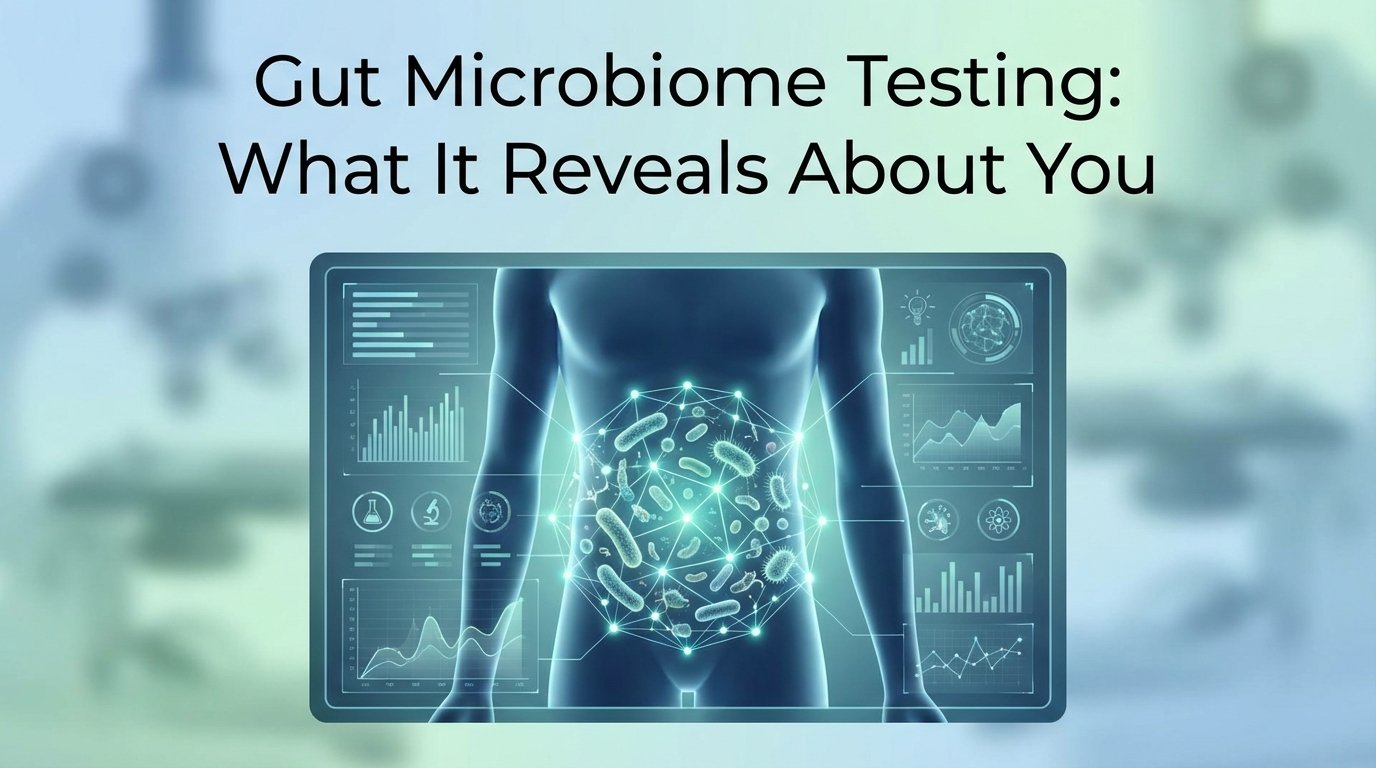
Your gut harbors approximately 100 trillion microorganisms—outnumbering human cells in your body by a factor of ten. This vast ecosystem, known as the gut microbiome, influences everything from your immune function and mental health to your risk for chronic diseases. Yet despite its profound impact on health, most people have no idea what’s actually happening inside their digestive tract until symptoms become severe enough to demand attention.
Gut microbiome testing represents a paradigm shift in how we understand and address digestive health. Rather than simply treating symptoms with medications, functional medicine gut health approaches use advanced testing to identify the root causes of dysfunction and create personalized gut health restoration strategies.
Understanding Gut Microbiome Testing
Traditional gastroenterology often relies on colonoscopies, endoscopies, and basic stool tests that primarily detect pathogens, blood, or structural abnormalities. While these tests serve important diagnostic purposes, they provide limited information about the complex microbial ecosystem residing in your intestines.
Functional medicine testing goes several layers deeper. Modern gut microbiome health assessments use DNA sequencing technology to identify and quantify the bacteria, fungi, viruses, and other microorganisms living in your gastrointestinal tract. These comprehensive analyses reveal not just what organisms are present, but in what proportions—a critical distinction that determines whether your microbiome supports or undermines your health.
What Advanced Testing Reveals
Comprehensive stool analysis through functional medicine testing can identify:
- Bacterial diversity and balance—higher diversity generally correlates with better health outcomes
- Beneficial bacteria levels including Lactobacillus, Bifidobacterium, and Akkermansia species
- Opportunistic or pathogenic organisms that may cause inflammation
- Fungal overgrowth including Candida species
- Markers of intestinal inflammation and immune activation
- Digestive enzyme function and fat absorption
- Zonulin levels indicating intestinal permeability (leaky gut)
- Short-chain fatty acid production reflecting metabolic health
This information provides a detailed snapshot of your digestive ecosystem and helps practitioners develop targeted gut health solutions rather than relying on generic protocols.
The Gut-Body Connection: Why Microbiome Health Matters
Research published in peer-reviewed journals has established clear connections between gut microbiome composition and numerous chronic health conditions. Understanding these relationships helps explain why addressing gut dysfunction often produces improvements in seemingly unrelated health issues.
Metabolic and Cardiovascular Health
Your gut bacteria directly influence metabolism, blood sugar regulation, and cardiovascular disease risk. Certain bacterial species produce compounds that either promote or protect against insulin resistance. Studies have shown that individuals with type 2 diabetes have distinctly different microbiome compositions compared to metabolically healthy individuals.
The microbiome also affects cardiovascular health through multiple pathways. Some bacteria convert dietary compounds into trimethylamine N-oxide (TMAO), a metabolite associated with increased heart disease risk. Others produce beneficial short-chain fatty acids like butyrate, which reduce inflammation and support healthy blood pressure regulation.
Immune Function and Autoimmunity
Approximately 70-80% of your immune system resides in or around your gut. The microbiome trains your immune system, teaching it to distinguish between helpful organisms and genuine threats. When gut microbiome health becomes disrupted—a condition called dysbiosis—immune dysfunction often follows.
Research has connected dysbiosis with autoimmune conditions including rheumatoid arthritis, Hashimoto’s thyroiditis, and inflammatory bowel disease. While the microbiome isn’t the sole cause of these conditions, restoring balance represents an important component of functional medicine approaches to autoimmune management.
Mental Health and Cognitive Function
The gut-brain axis—the bidirectional communication system between your digestive tract and central nervous system—means your microbiome directly influences mood, cognition, and mental health. Gut bacteria produce neurotransmitters including serotonin, dopamine, and GABA. In fact, approximately 90% of serotonin is produced in the gut.
Studies have demonstrated that individuals with depression and anxiety often have measurably different microbiome compositions compared to those without these conditions. This connection helps explain why many people experience mood improvements when implementing digestive health naturally protocols.
When to Consider Microbiome Testing
While gut health optimization benefits virtually everyone, certain symptoms and conditions particularly warrant comprehensive testing:
- Persistent digestive complaints: bloating, gas, constipation, diarrhea, or irregular bowel movements
- Diagnosed irritable bowel syndrome (IBS) or inflammatory bowel disease
- Food sensitivities or histamine intolerance
- Autoimmune conditions
- Skin issues including eczema, psoriasis, or acne
- Mood disorders or brain fog
- Chronic fatigue
- Weight loss resistance despite dietary efforts
- Recurrent infections or compromised immunity
- Recent antibiotic use or prolonged medication therapy
Testing provides baseline data that guides treatment and allows for objective measurement of progress following interventions.
Interpreting Your Results: Beyond the Numbers
Receiving a comprehensive stool analysis report can feel overwhelming. These tests often span multiple pages containing bacterial names, percentages, and reference ranges. Working with a practitioner trained in functional medicine testing interpretation ensures you understand what the data means for your specific health situation.
Important considerations when reviewing results include:
Context matters: A microorganism considered problematic in high quantities might be neutral or even beneficial in smaller amounts. The overall ecosystem balance matters more than any single finding.
Diversity is generally protective: Research consistently shows that greater microbial diversity correlates with better health outcomes. Low diversity often indicates the need for dietary expansion and prebiotic support.
Individual variation is normal: There’s no single “perfect” microbiome composition. What matters is whether your particular ecosystem supports optimal function and doesn’t trigger inflammation.
Functional Medicine Approaches to Gut Health Restoration
Testing represents only the first step. The true value emerges when results inform personalized intervention strategies that address identified imbalances.
The 5R Framework
The Institute for Functional Medicine teaches a systematic approach to gut health restoration known as the 5R protocol:
Remove: Eliminate inflammatory foods, pathogens, parasites, or fungal overgrowth identified through testing. This might include temporary dietary restrictions or antimicrobial protocols using herbs or medications when appropriate.
Replace: Support optimal digestion by replacing deficient digestive enzymes, hydrochloric acid, or bile acids as indicated by testing.
Reinoculate: Introduce beneficial bacteria through targeted probiotics and gut health solutions tailored to your specific needs rather than generic formulations.
Repair: Provide nutrients that support intestinal healing including L-glutamine, zinc, omega-3 fatty acids, and other compounds that strengthen the gut lining.
Rebalance: Address lifestyle factors including stress management, sleep optimization, and regular physical activity that profoundly influence microbiome health.
Targeted Probiotic Selection
The relationship between probiotics and gut health is more nuanced than many realize. Not all probiotic supplements benefit all people equally. Your microbiome test results help identify which bacterial strains you’re lacking and would most benefit from supplementing.
For example, someone with low Bifidobacterium levels might benefit from Bifidobacterium-dominant formulations, while another person dealing with specific pathogen overgrowth might need Saccharomyces boulardii or particular Lactobacillus strains with demonstrated antimicrobial properties.
Quality matters tremendously with probiotic supplements. Look for products that specify bacterial strains (not just species), guarantee potency through expiration, use delayed-release capsules for better survival, and undergo third-party testing for purity and potency.
Dietary Interventions
Food represents the most powerful tool for reshaping your microbiome. Beneficial bacteria thrive on fiber and plant compounds called polyphenols, while pathogenic organisms often proliferate on refined sugars and processed foods.
Dietary strategies for supporting digestive health naturally include:
- Consuming 30-40 grams of fiber daily from diverse plant sources
- Including prebiotic foods like garlic, onions, leeks, asparagus, and Jerusalem artichokes
- Eating fermented foods including sauerkraut, kimchi, and unsweetened yogurt
- Incorporating polyphenol-rich foods like berries, green tea, and extra virgin olive oil
- Reducing processed foods, artificial sweeteners, and excess alcohol
- Identifying and eliminating personal trigger foods
Limitations and Realistic Expectations
While gut microbiome testing provides valuable insights, it’s important to maintain realistic expectations. The science of microbiome analysis continues evolving, and we don’t yet understand the significance of every bacterial species or their complex interactions.
Testing represents a snapshot in time. Your microbiome changes constantly in response to diet, stress, medications, and other factors. A single test doesn’t capture this dynamic nature, which is why functional medicine practitioners often recommend retesting after implementing interventions to assess progress.
Additionally, microbiome testing shouldn’t replace conventional medical evaluation when serious symptoms warrant it. Functional medicine gut health approaches work best as complementary strategies that address root causes while conventional medicine manages acute concerns.
Taking Action: Your Path Forward
Understanding your gut microbiome empowers you to make informed decisions about your health. Whether you’re dealing with frustrating digestive symptoms, managing chronic conditions, or simply optimizing wellness, comprehensive testing can reveal opportunities for meaningful improvement.
Working with a practitioner experienced in functional medicine testing and gut health restoration ensures you receive proper test interpretation and personalized protocol development. This collaborative approach bridges the gap between conventional medicine’s diagnostic strengths and functional medicine’s root-cause focus.
Your microbiome has been shaped by years of dietary choices, antibiotic exposures, stress, and environmental factors. Reshaping it requires patience, consistency, and evidence-based strategies tailored to your unique situation. The investment in understanding and optimizing your gut health often yields dividends that extend far beyond digestive comfort, influencing energy, immunity, mood, and long-term disease prevention.
If you’re ready to discover what your gut microbiome reveals about your health and develop a personalized plan for restoration, consider consulting with a functional medicine practitioner who can order comprehensive testing and guide you through the process of rebuilding this foundational aspect of wellness. Your journey toward optimal gut microbiome health starts with understanding what’s actually happening inside your digestive tract—and comprehensive testing provides that crucial roadmap.